Date and Time
Wednesday, 21 June 2023 · 10:00 UTC
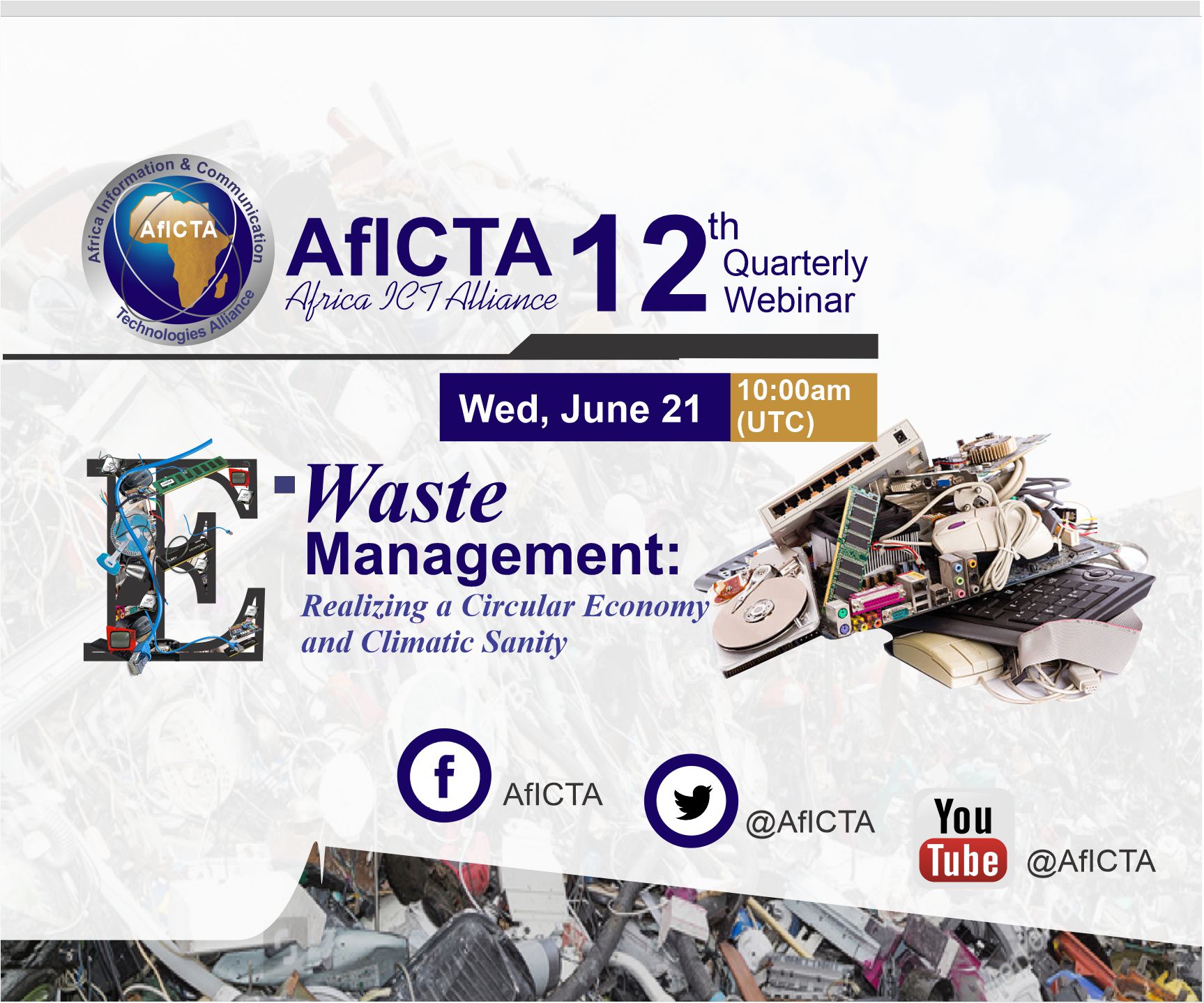
The threat posed by Electrical and Electronic Equipment (EEE) waste, or e-waste, to our environment, to nature and to human beings is becoming alarming as technology adoption grows. The more technology is adopted, the more waste is produced, often without proper arrangements for recycling or disposal. A record 53.6 million metric tonnes (mt) of e-waste was disposed of in 2019, and only 17.45 million mt was formally reused and recycled, leaving the environment to bear the consequences of the rest.
With increasing economic activity in developing countries, the amount of e-waste is estimated to reach 74 million mt by 2030, so a solid policy plan and its implementation must be prioritized. A minimum of 250,000 metric tons of e-waste is illegally brought into the African continent every year, mostly from Europe. Poor regulation and a lack of enforcement institutions promote illegal dumping.
Beyond banning or regulating indiscriminate dumping, another route to prosperity and better living standards is recycling the waste already in our midst through a “Circular Economy”: a business model that turns goods at the end of their service life into resources for others, closing loops in industrial ecosystems and minimizing waste.
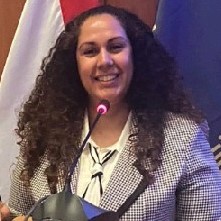
Strategic Program Manager, Ministry of Communication & Information Technology, Egypt (Moderator)
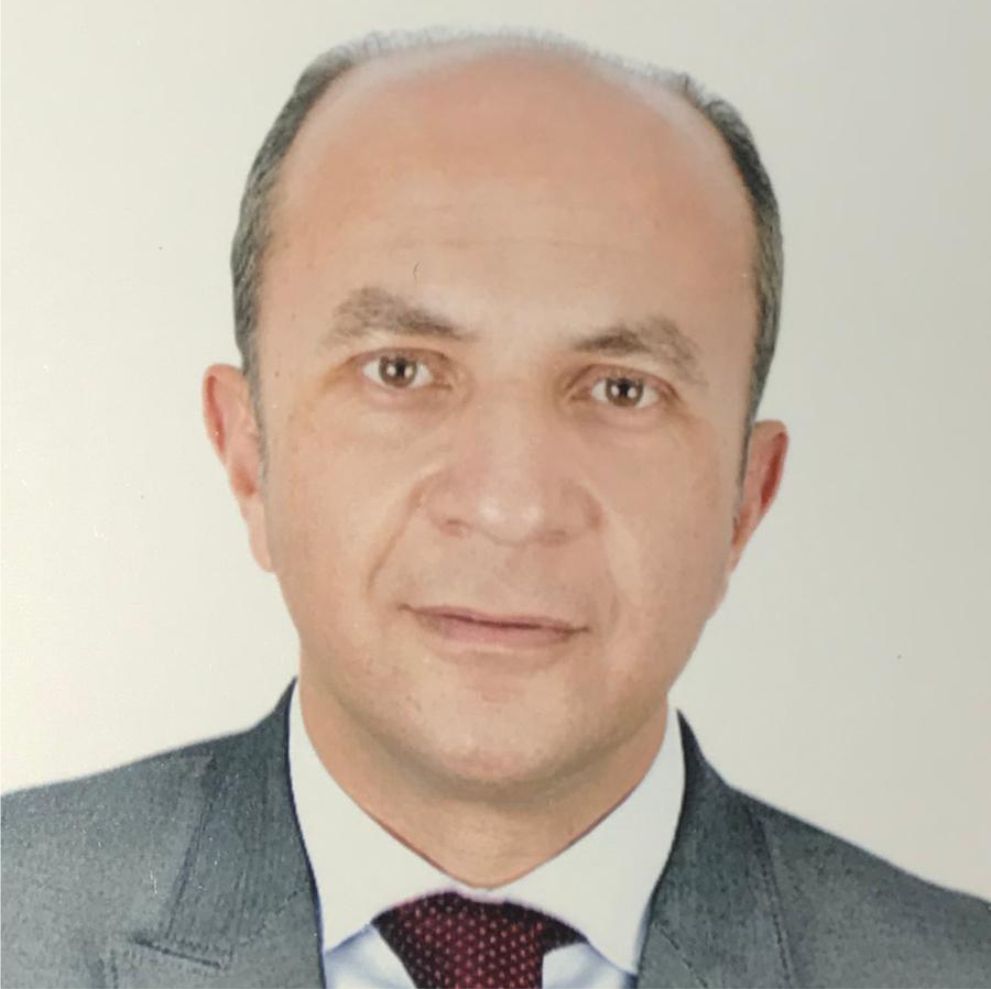
Executive Director of Environmental Compliance Office, FEI Technical Advisor
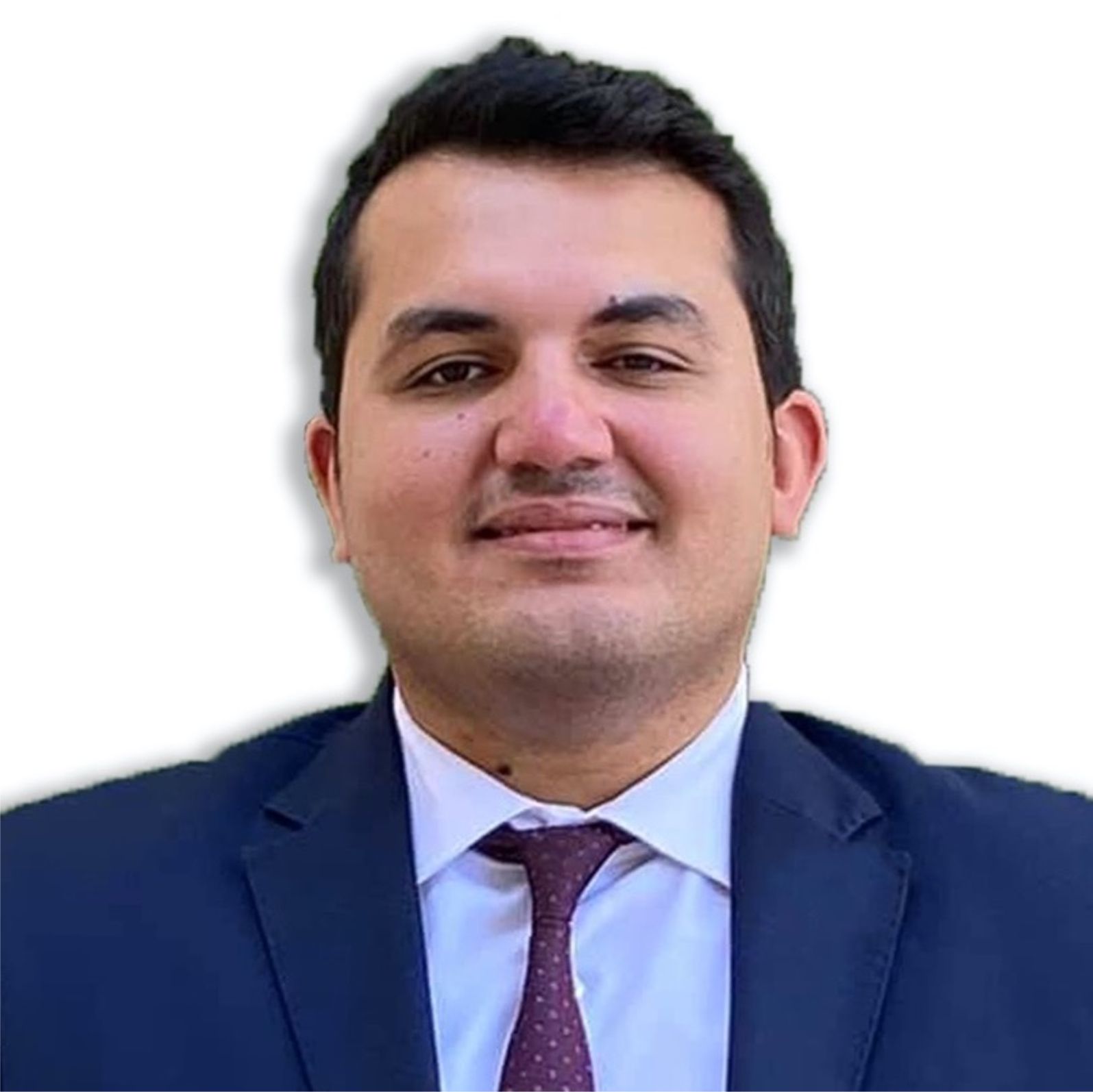
Founder and President, Engineers For a Sustainable Egypt
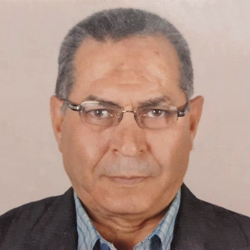
CEO, ECCSCO consultancy firm for Environment, Climate Change and Sustainability
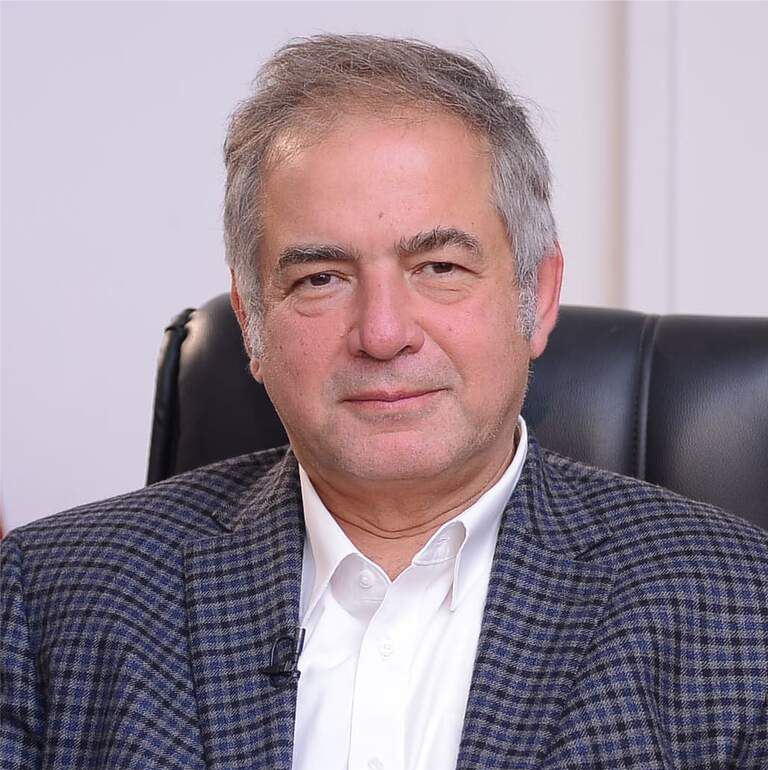
Chairman, Chamber of Information Technology and Telecommunication (CIT)
Wednesday, 21 June 2023 · 10:00 UTC
Opening remarks by the host
Mr Thabo Mashegoane, Chair, AfICTA
Moderator: Dr. Yasmin El Sharkawy introduces all speakers
Moderator: Dr. Yasmin El Sharkawy, Ministry of Communication & Information Technology, Egypt
Panelists: Eng. Ahmed Kamal (Environmental Compliance Office, FEI), Dr. ELSayed Sabry M. (ECCSCO), Eng. Khaled Ibrahim (Chamber of Information Technology and Telecommunication), Eng. Mohamed Kamal (Engineers For a Sustainable Egypt)
Mr. Paul Rowney, Deputy Chair, AfICTA