


























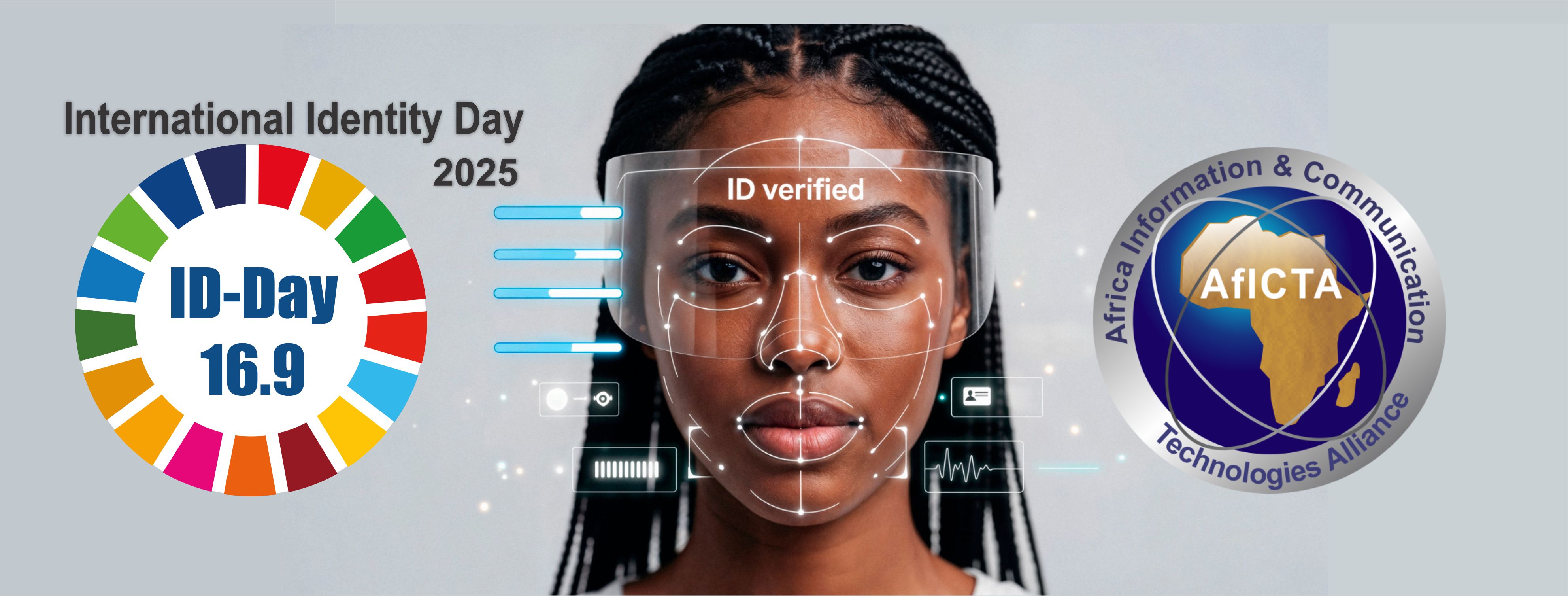
The Africa Information & Communication Technologies Alliance (AfICTA joins the world in marking World Identity Day by calling for stronger efforts to advance sovereign and interoperable digital identity systems across Africa.
At the 20th Internet Governance Forum (IGF) in Norway earlier this year, AfICTA highlighted that digital identity is foundational for inclusion and development. Without recognized identities, millions of Africans remain digitally invisible and excluded from essential services such as healthcare, education, banking, and mobility. Early enrollment, like Nigeria’s issuance of National Identification Numbers (NIN) at birth, demonstrates how robust citizen registries can be established to drive long-term inclusion.
For Africa’s digital future to thrive, interoperability is critical. Seamless cross-border verification of identities will be essential to realizing the promise of the digital age and fulfilling the African Continental Free Trade Area (AfCFTA) initiative, enabling the free movement of people, goods, and services. Successful models already exist, including Nigeria’s integrated NIN ecosystem, Benin’s interoperable biometric ID card, and Rwanda’s impressive achievement of enrolling 95% of their adults, all of which provide lessons for regional and continental scaling. However, interoperability will not happen by chance; it requires deliberate political will, policy alignment, and multi-stakeholder collaboration.
Speaking on the occasion, Ms. Ulandi Exner, Chair of AfICTA, stated: “Digital identity is more than a technological tool, it is a pathway to economic empowerment and digital sovereignty. By working together through multi-stakeholder initiatives, Africa can build identity systems that are secure, interoperable, and inclusive, unlocking the continent’s full potential in the digital economy.”
At the same time, digital identity must protect national sovereignty. Strong data protection laws, trust frameworks, and resilient cybersecurity infrastructure are needed to safeguard privacy and maintain trust. Countries must tailor their approaches to their level of readiness, ensuring no one is left behind. Platforms such as ECOWAS, the African Union, Africa ICT Alliance and Smart Africa are vital in aligning regional efforts.
In addition, interoperability is vital, but not inevitable. It will require deliberate effort, aligned policies, and sustained collaboration across governments, the private sector, civil society, and technical communities. Only then can we create digital identity systems that enable inclusion while protecting sovereignty and ensuring resilience.”
Looking forward, AfICTA calls for pragmatic regional pilots to test cross-border interoperability and provide actionable lessons for wider adoption. Governments must also align policies with international standards while respecting sovereignty, and invest in cryptographic infrastructure and open standards to secure and scale identity systems. A public-private and whole-of-society approach is equally important, citizens need to understand the value of digital identity and see it linked to real benefits such as healthcare access, student transport discounts, and mobile banking opportunities.
About AfICTA
The Africa Information & Communication Technologies Alliance (AfICTA) is a private sector-led alliance committed to advancing ICT development and digital transformation across Africa through advocacy, capacity building, and multi-stakeholder engagement with the vision to fulfil the promise of the digital age for everyone in Africa.