



























Featured

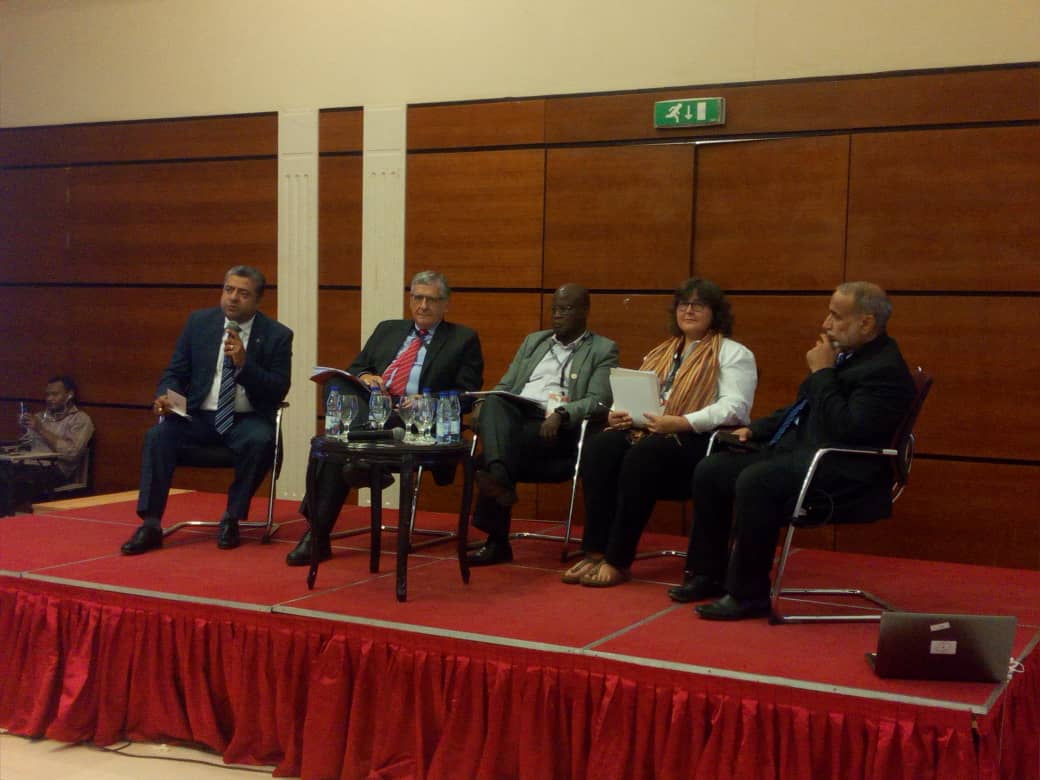
Seventh Meeting of the African Internet Governance Forum - AfIGF2018 4-6 November 2018, Khartoum, Sudan
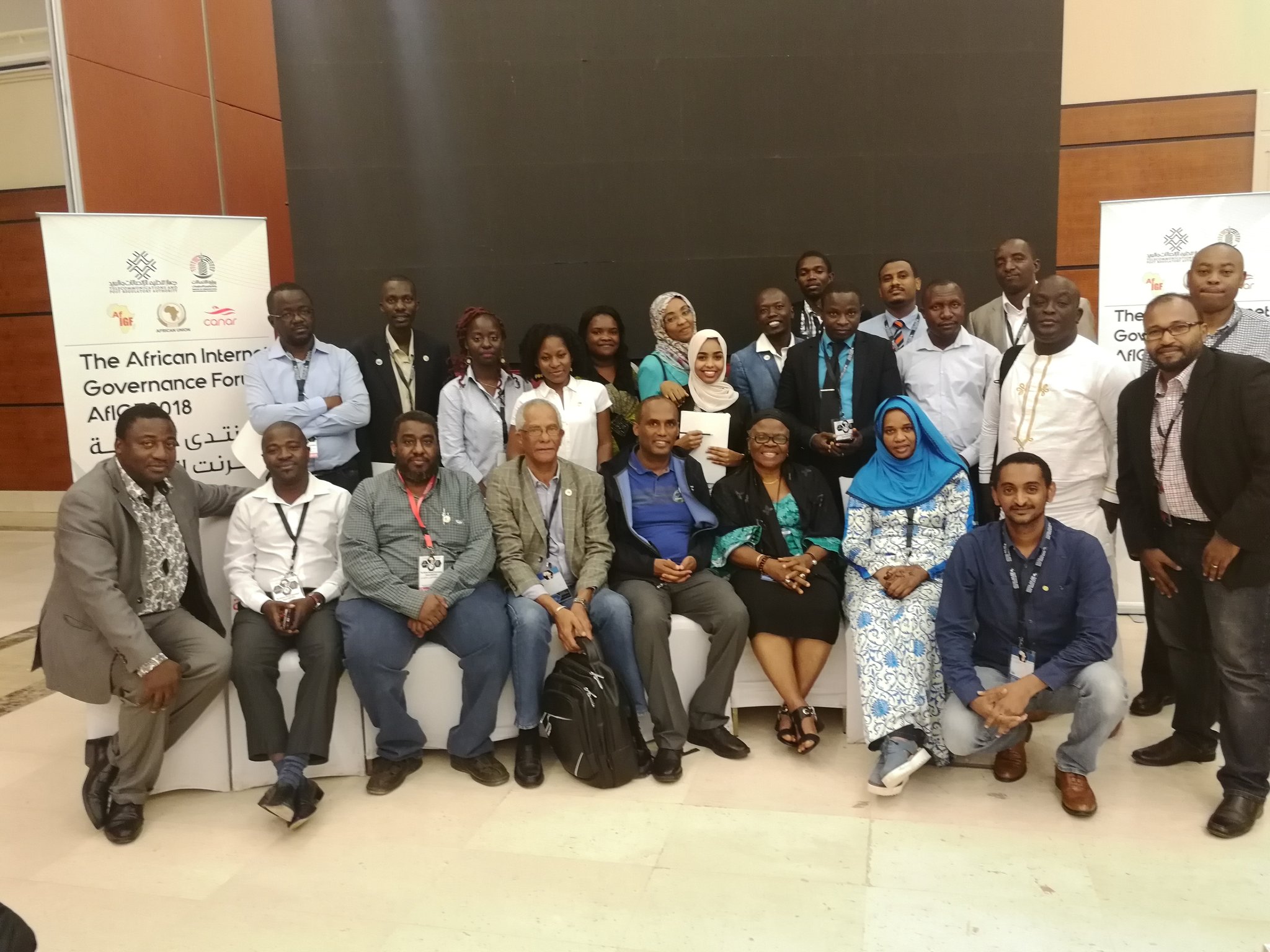
 Seventh Meeting of the African Internet Governance Forum - AfIGF2018

4-6 November 2018, Khartoum, Sudan

The African Internet Governance Forum 2018 was the Seventh of its kind and was organized by the African Union Commission, it was generously hosted by the Government of Sudan from Nov 4 - 7, 2018 in Khartoum, Sudan with the theme: “Development of the Digital Economy and Emerging Technologies in Africa”

Several papers delivered by stakeholders within and beyond Africa @ the AfIGF all geared towards getting Africans aware of the need to embrace emerging technologies. The general consensus is that policymaking plays a very vital role in getting investors committed to infusing themselves into African digital ecosystem.

Some of the emerging technologies discussed included IoT, Big data, Artificial Intelligence and Blockchain. The following topics were discussed with respect to their prospect, legal and policy aspect, social economic implications and challenges that come with embracing the listed technologies. Other topics ranged from “empowering digital corporation towards building trust” “promoting digital Africa; fostering digital entrepreneurship, digital economy and attainment of SDGs and AU Agenda 2063.

The Chairman of AfICTA Engr. Hossam Elgamal in a session discussed Blockchain Technologies and shed more light on the misconception that constrains application of blockchain technologies to only financial aspect (i.e. Bitcoin). In addition, he emphasized that embracing the technologies is not the major challenge but adopting and developing policies and systems that enable it to flourish. Other representatives of AfICTA included Mr. Segun Olugbile who spoke on Cybersecurity as well as Empowering Digital Cooperation towards building trust.

Some of the recommendations from the event included:

1. Develop an ecosystem of Sustainable Peace and Security in Africa to enable investment, trust, and              Entrepreneurship within the IoT ecosystem and emerging technologies.
2. Trades liberalization policies to attract all players within the IoT ecosystem.
3. Infrastructure development to support Regional Integration for loT ecosystems development.
4. Skills development. Attraction, and retention within emerging technologies. Sphere.
5. Policy, planning, resource mobilization and statistics for research-based policy on emerging technologies.
6. Create an expert working group on emerging technologies
7. Create incubation and innovation hubs to accelerate innovation
8. Information sharing and R ‘n’ D collaboration
9. Minimum policy standard and best practices: security taxation, and interoperability.
10. Enhance multi-stakeholder participation

Please find details of the event here.
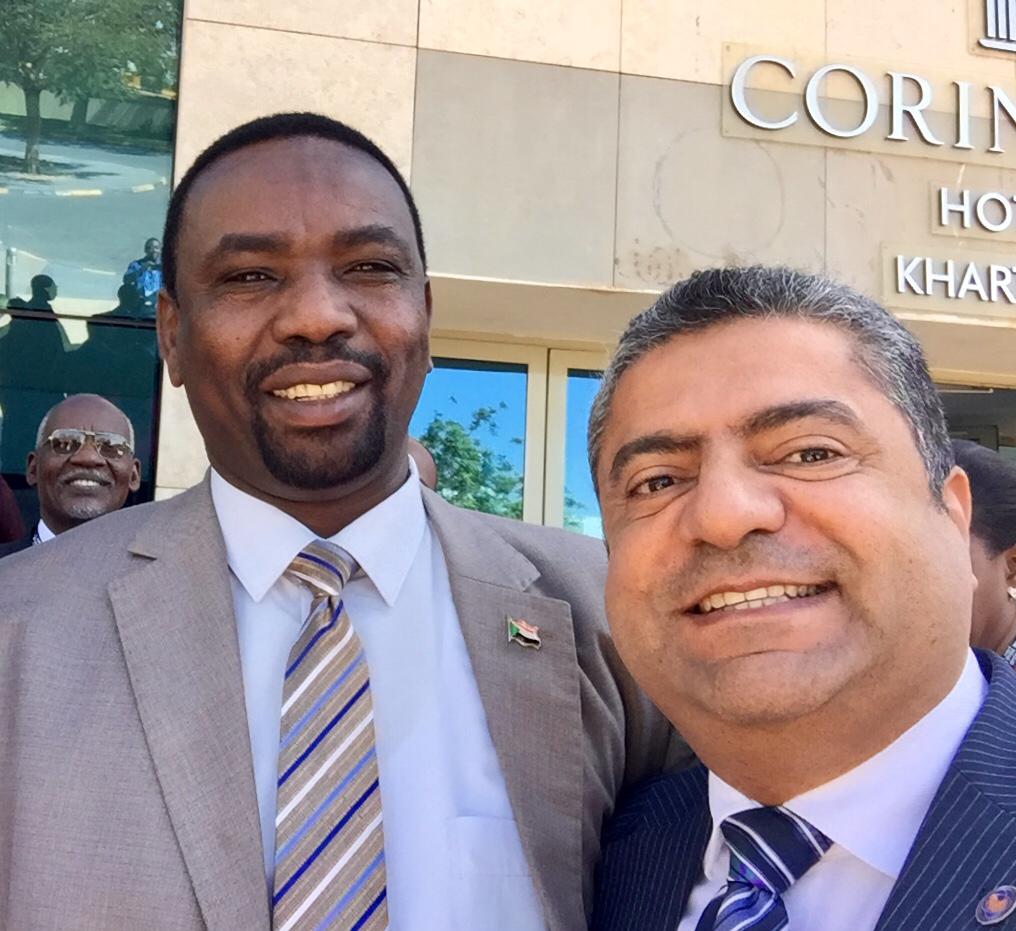
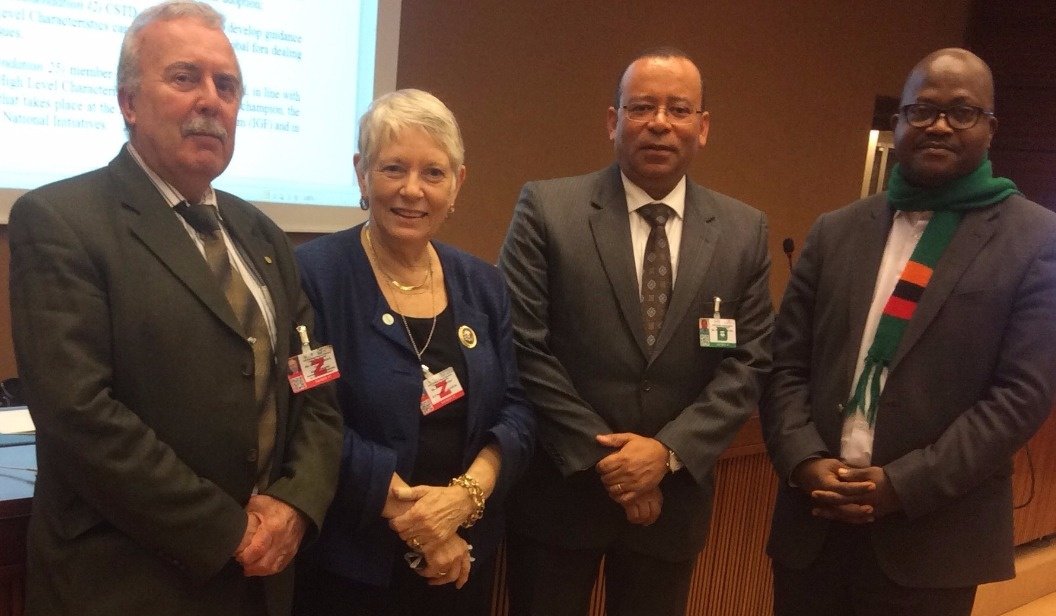
L - R: Minister of Media, Telecom and IT Sudan with Chairman of AfICTA Engr Hossam ElGamal at AfIGF
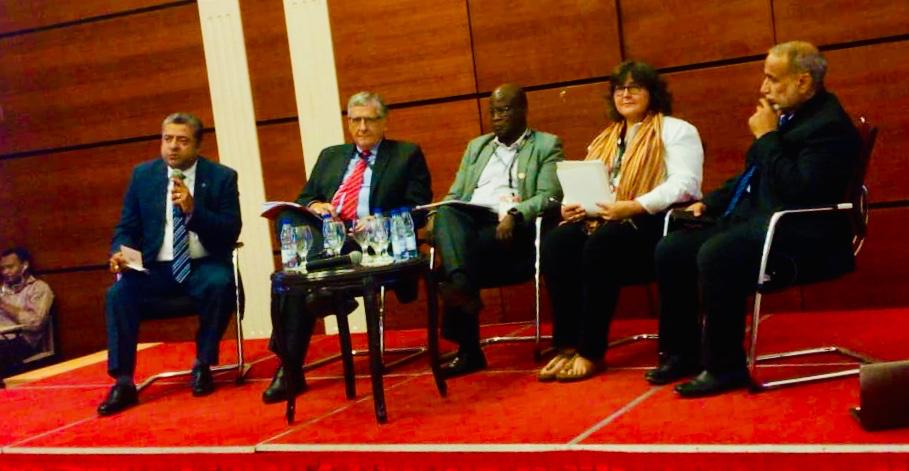
Chairman of AfICTA on a panel discussion on "Unlocking digital economy and emerging technology for Africa"
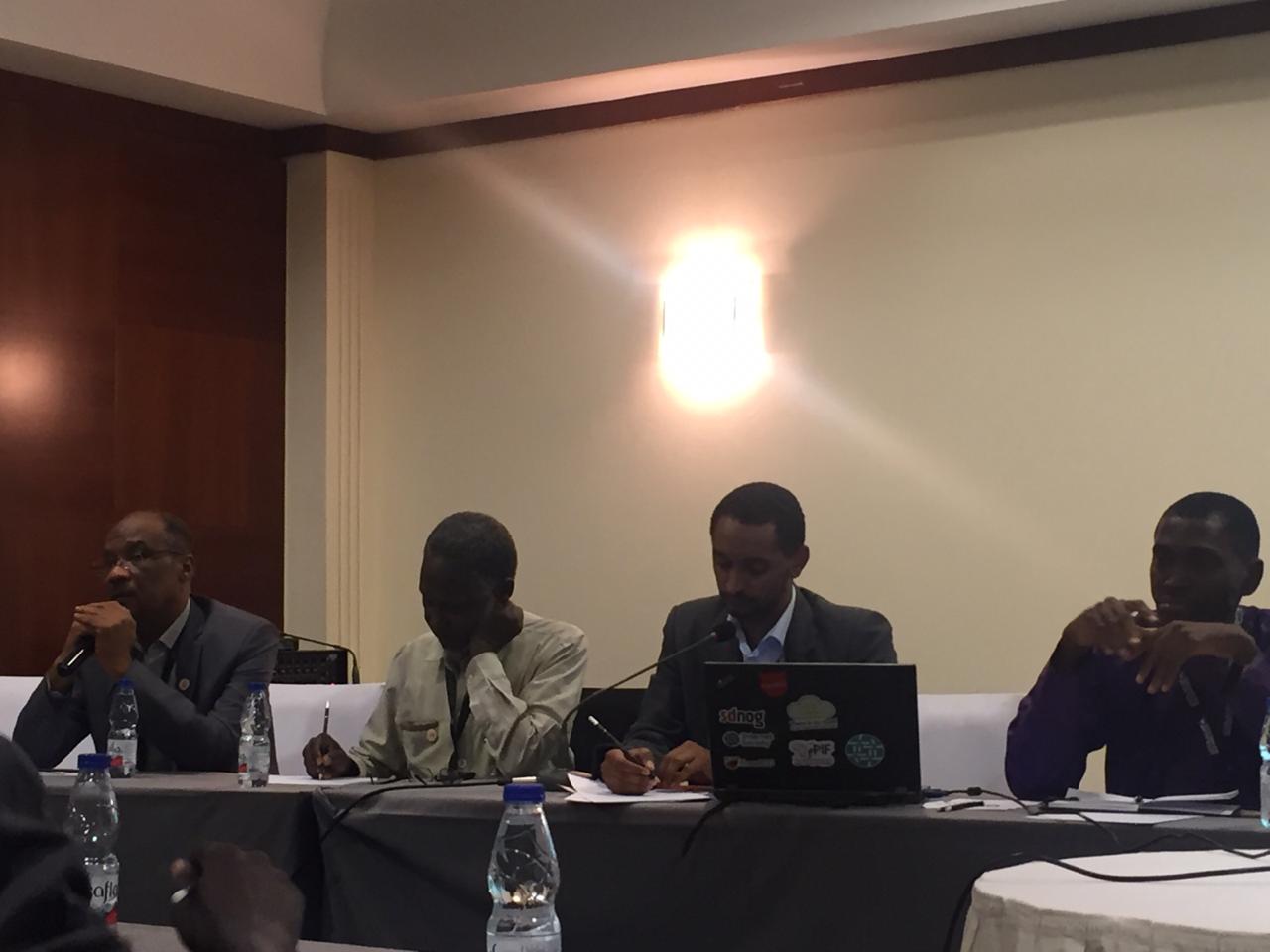
Mr. Segun Olugbile first from the left at the AfIGF discussing Cybecurity


Note: IGF 2018 would be held in Paris from 12th – 13th November 2018. Participate and register here.
Featured

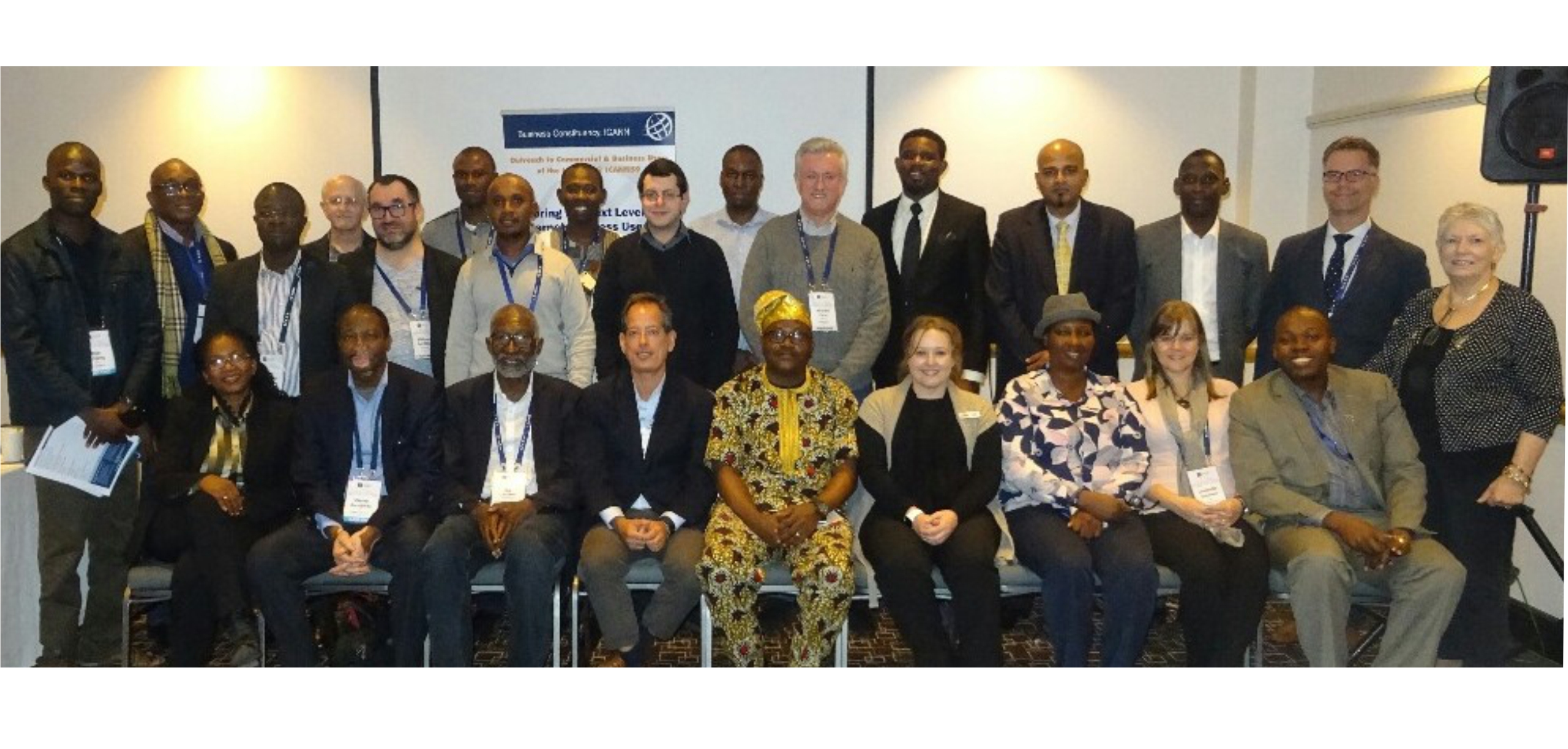
BC-ICANN Outreach In Collaboration with AfICTA/ITA/IITPSA

Local and Global Business CEOs @ BC-ICANN Outreach in collaboration with AfICTA/ITA/IITPSA on Sunday, 25th June, 2017 @ Santon Sun, Johannesburg. 

Failure to Follow Procedures Scuppers Cybercrime Prosecutions

Failure to Follow Procedures Scuppers Cybercrime Prosecutions

Digital forensics requires diligence if perpetrators of cyber crime are to be brought to book. That was the message from Yusuph Kileo, a cyber security and digital forensics expert from Tanzania, and board member, Africa ICT Alliance (AfICTA). He was speaking on 16th May 2017 at the ITWeb Security Summit 2017 at Vodacom World in Midrand.

The majority of cyber crimes go unpunished because investigators fail to follow the proper procedures, said Kileo.

Digital forensics is a process of recovering, interpreting and investigating electronic data. "All this is done by preserving the original evidence in its most original form."

Before starting the investigation, he said organisations must make sure they have skilled professionals; have a work station and data recovery lab; enter into alliance with a local district attorney; and define the methodology that they will use.

Digital forensics investigators also need to obtain a search warrant – a written authorisation to carry out an investigation. "Who should issue a search warrant? This depends on the country where the investigation is conducted," said Kileo.

When collecting the evidence, investigators must strictly adhere to the guidelines and privacy policies of the organisation they are working with, as well as the legal jurisdiction, he added.

Kileo urge delegates to take into account the nature of the case, instructions from the requester, what additional tools and expertise that might be need, and how the evidence is acquired.

“When you begin a case, there might be unanticipated challenges that weren’t obvious when applying a systematic approach to your investigation plan. For all investigations, you need to plan for contingencies for any unexpected problems you might encounter” – Said Kileo.

He emphasized on a standard evidence custody form to track the chain of custody of evidence for your case and to document everything throughout investigation by maintain a journal to keep notes on exactly what is when handling evidence.

“We should always critique our own work to determine what improvements have been made during each case, what could have been done differently, and how to apply those lessons to future cases.” He added.

"The final report must also have Internet-related evidence, such as Web site traffic analysis, chat logs, cache files, e-mail, and news group activity. Techniques used to hide or mask data, such as encryption, steganography, hidden attributes, hidden partitions and file name anomalies are also required."

As judges usually do not understand computing language and procedures, it's vital that the report explains the computer and network processes, he added. "The investigators should provide explanation for various processes and the inner working of the system and its various interrelated components."

Finally, professional conduct determines credibility, ethics, morals and standards of behaviour, Kileo concluded.

Featured

National Defense Academy Engages Multi-Stakeholder Approach to Combat Cyber-crimes in Nigeria.

National Defense Academy Engages Multi-Stakeholder Approach to Combat Cyber-crimes in Nigeria.

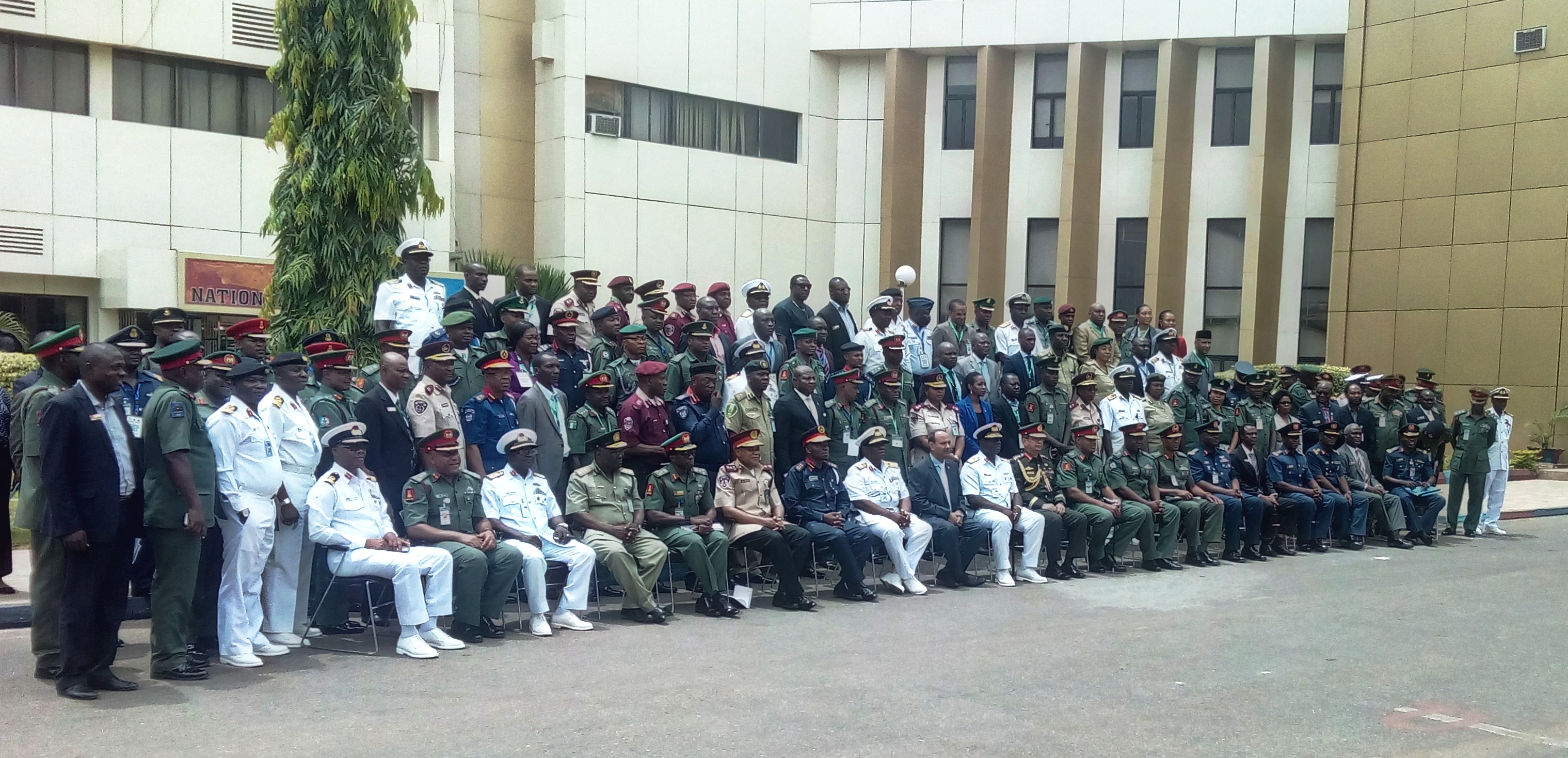
The increasing cyber-threat and the need to safeguard online domains was the fulcrum of a-3day (24-26 April, 2017) cyber security workshop with the theme “Cybercrime-Threats and Counter Measures” at the National Defense Academy-NDC Abuja. The workshop had attendants from the public and private sectors.  While addressing the participants during his welcome speech, Major General Babagana Monguro (rtd), the National Security Adviser (NSA) who was represented by Mr. Abba Ibrahim, elucidated the magnitude of cybercrime on Nigeria’s socio-economic wellbeing.

He defined cybercrime as the one committed using a digital device that is connected to the Internet to target another digital device(s) on the Internet. In the course of the workshop, participants were enlightened on how the perpetrators have graduated from targeting computers to some other smart devices like phones, TVs, cars, aircraft, drones, cameras and etc.

Interestingly, the world receives 8 new Internet users each second and 683,443 each day but quite unfortunate that insignificant few among the Internet users deploy protective mechanisms that counter online criminal acts such as: terrorism, extremism, identity or money theft, cyber bullying, child abuses and trafficking, viruses, stalking among others.

Among the dignitaries on attendance was the Auditor-General for the Federation Mr. Anthony M. Ayine who requested for strong collaboration and synergy between all stakeholders in Nigeria to combat the criminals and safeguard our cyberspace. He further listed some preventive measures that must be considered if the menace would be reduced to the barest minimum. Please read more.

Day 2 of the workshop witnessed the warm reception of Bangladesh Chief of Army Staff, General Abu Belal Muhammad Shafiul Huq and his entourage to NDC. General Huq shared his experience on how terrorism and extremism was brought under submission and how such strategies could be replicated in Nigeria’s situation.

Officials from Ministry of Defense, NCC-Nigeria Communication Commission, Federal Road Safety Corps-FRSC, AfICTA-Africa ICT Alliance and Office of the Auditor General of the Federation OAuGF also graced the occasion.

The workshop was rapped-up with vote of thanks by Dr. Gani Yoroms, Acting Provost NDC shortly after receiving lecture on “Safeguarding Nigeria’s Cyber Space: The National Cyber Security Strategy Revisited” from Dr. CN Okereke.

Our Partners